
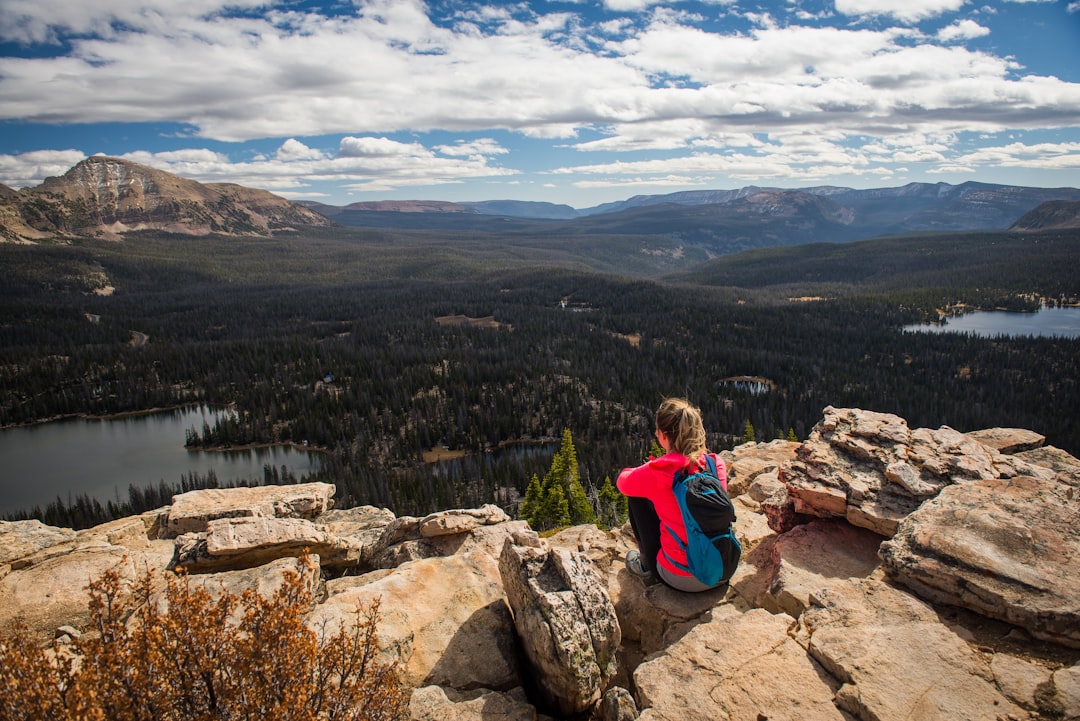
When I first decided to take up hiking, I was filled with excitement and a bit of trepidation. I had always admired the great outdoors from afar, but now I was ready to dive in. However, there was one significant obstacle standing in my way: finding the perfect backpack. I remember sitting at my kitchen table, surrounded by a sea of online reviews and recommendations, feeling overwhelmed. That’s when I stumbled upon expeditionequip.com, a dedicated ecommerce platform specializing in travel equipment, including hiking gear.
I was introduced to Sarah, a fellow hiking enthusiast who had faced similar challenges. She shared her story of how she once embarked on a weekend hiking trip with a backpack that was too small and poorly designed. “I ended up carrying my essentials in a grocery bag!” she laughed, recounting the experience. “It was a disaster!” Sarah’s story resonated with me; I didn’t want to make the same mistake.
The first step in choosing the right backpack, as I learned from Sarah, is understanding the type of hiking you plan to do. Are you going for a day hike, or are you planning a multi-day trek? This distinction is crucial because it determines the size and features you need. For day hikes, a smaller pack, typically between 15 to 30 liters, is sufficient. However, for longer excursions, you’ll want something larger, around 50 to 70 liters, to accommodate extra gear and supplies.
Next, I discovered the importance of fit. A backpack that doesn’t fit well can lead to discomfort and even injury. Sarah emphasized the need to try on different packs, adjusting the straps and hip belts to find the right fit. “It’s like finding a pair of shoes,” she said. “You wouldn’t run a marathon in ill-fitting sneakers, right?” I took her advice to heart and made a trip to a local outdoor store to try on various models.
While browsing expeditionequip.com, I found a wealth of information on backpack features. I learned about the significance of adjustable straps, ventilation systems, and hydration reservoirs. A good backpack should have padded shoulder straps and a hip belt to distribute weight evenly. I also discovered that some packs come with built-in rain covers, which is a lifesaver during unexpected downpours.
Another critical factor is the material of the backpack. I found that lightweight, durable materials are essential for hiking. Sarah recommended looking for packs made from ripstop nylon or polyester, as they are both lightweight and resistant to wear and tear. Additionally, water-resistant or waterproof materials can protect your gear from the elements.
As I continued my research, I stumbled upon customer reviews on expeditionequip.com. Reading about other hikers’ experiences with specific backpacks helped me narrow down my choices. I found a model that had rave reviews for its comfort and durability, and I decided to take the plunge.
After placing my order, I eagerly awaited the arrival of my new backpack. When it finally arrived, I was thrilled to find it was everything I had hoped for. I packed it up for my first hike, and as I set out on the trail, I felt a sense of confidence. The backpack fit perfectly, and I could carry all my essentials without feeling weighed down.
The hike was a success, and I couldn’t have been happier with my choice. I learned that the right backpack can make all the difference in your hiking experience.
Lesson learned: Take the time to research and try on different backpacks before making a purchase. Your comfort and enjoyment on the trail depend on it.
In conclusion, choosing the perfect backpack for hiking is not just about picking a trendy design; it’s about understanding your needs, ensuring a proper fit, and selecting the right features. Thanks to expeditionequip.com, I was able to find a backpack that suited my hiking style and made my outdoor adventures enjoyable. So, whether you’re a seasoned hiker or just starting, remember to choose wisely, and your backpack will be your best companion on the trails.